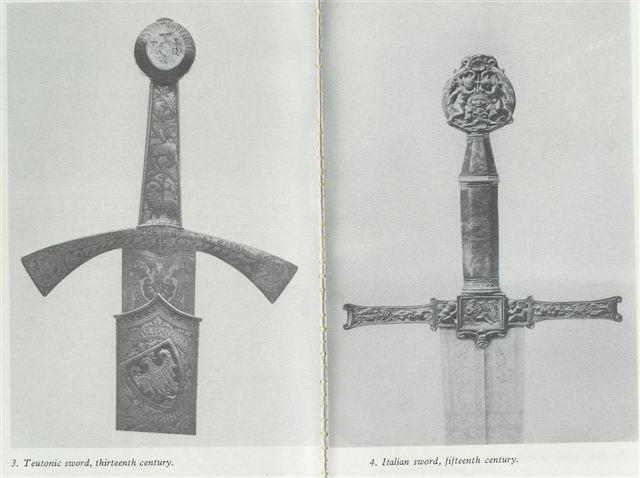
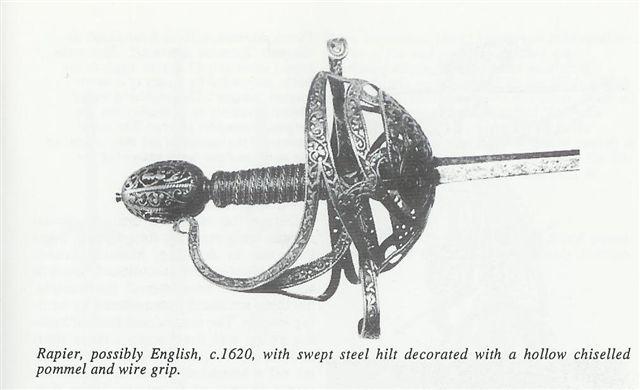
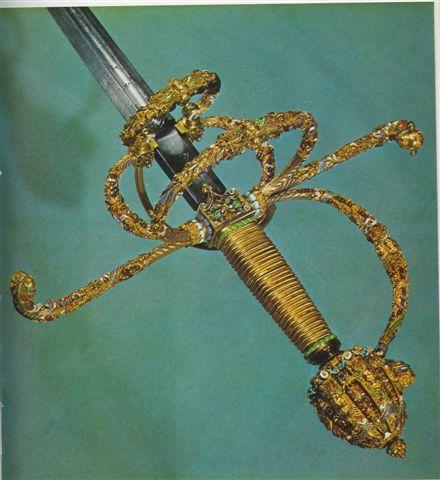
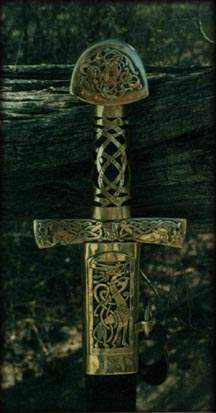
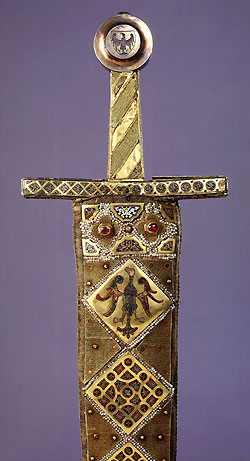
One issue with examining antique swords and designs in general - a point which has been touched on already - is that we are looking at them through modern eyes. To expand on this a bit, I don't just mean "contemporary" eyes (i.e. those of someone living in the early 21st century) but "Modern" in the design-movement sense of the word. Everyone today is familiar with the aesthetic of Modern design: clean, pared-down, influenced by man-made materials and the industrial technology to manipulate them (often, en masse). The movements that shaped many of today's cities (like NY, Berlin, etc.) could either be defined as "Modern" or influenced by Modern, i.e. Art Deco, Bauhaus. I hope this link works... but this piece...
http://pics.myArmoury.com/spadavenezia1500a.html
...looks like it could have been designed in 1935. I absolutely love it, because it has a total Art Deco aesthetic but came over 400 years too early.
My ultimate point is that we (today) have references and "styles" in mind that our forebears simply didn't. If something looked clean-lined, simple and had what we would call "understated elegance," it may just have been intended to be "functional," and not clean-lined for aesthetic reasons in-and-of itself. At certain times in history and in particular cultures, especially at the aristocratic/regal level, there was no concept of a "less is more" aesthetic (the Palace of Versailles, for example). More is more, and if one is good, twelve is twelve times better. The only limits were imagination, the skill of the artisans, and the funds to do it.
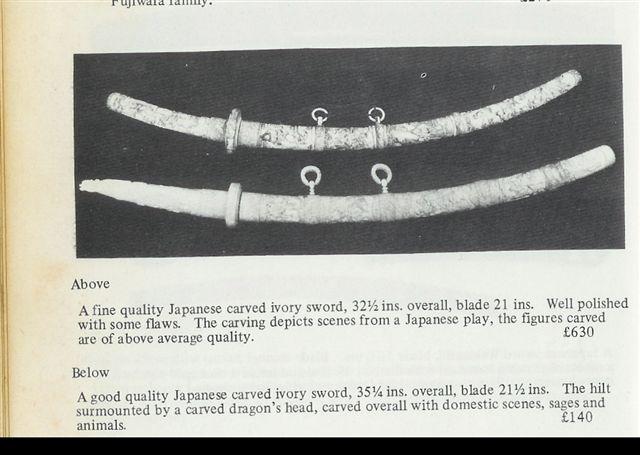
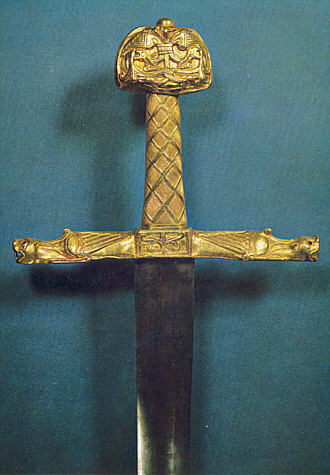
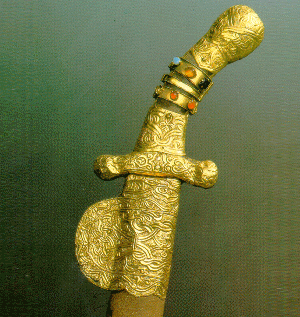
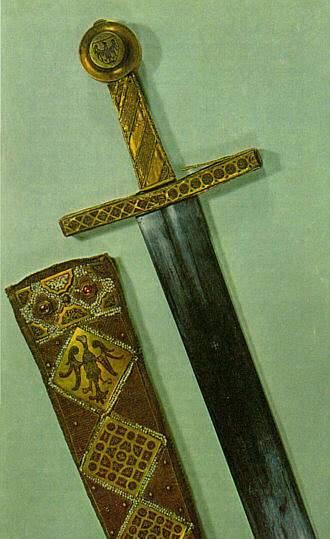
Personally, I am a modernist and very much prefer the clean aesthetic, but I can find at least one thing that I like about each of the examples posted, and can appreciate the craftsmanship that went into them. What I appreciate about them all is the "we *can* do this, so we should, because no one else *can*" attitude - it wouldn't matter if they look crazy to our eyes, because "more was more." What separates these from a lot of what are considered fantasy swords today is that these examples are *genuine* - they come from a person's genuine perspective on art and decoration, and they show off things that the average folks couldn't do - either physically/skillfully or financially. They were based on existing concepts, but pushed the boundaries.
A lot of what people call/consider "fantasy" swords today don't follow any aesthetic code, lack even basic functionality and they certainly don't show off craftsmanship/artisanship - they aren't based in anything genuine, and only bring mass-producible product to the market. The bad examples are everywhere - odd six-bladed SLOs with plastic rubies running down the stainless steel blades (you get the idea). The good examples are fewer, but do exist - I very much like the LOTR swords, Jody Samson and other craftsmans' work because what they do has one foot in reality without being bound to what has already been seen. They are based on existing concepts, but push the boundaries. They add to our appreciation of the sword as something that *was*, *is*, and *will be* into the future. You have to learn the rules before you can break them...
So, everything I've said is very general, highly debatable and legitimately contradictable. A gaudy sword is not necessarily fantasy, and a plain sword is not necessarily historical. There are degrees to each, but as long at a sword suits its purpose (which may only be to sell millions of them to enthusiasts) then it has some value, even if that value isn't in functionality, aesthetics, or craft.
 Attachment: 35.8 KB